3 things I have learnt as a sober coach
December 12th, 2025 Guest Posts 2 comments

This guest post comes from writer and Mental Health Coach Paulette Crowley, who has been sober for 10 years. You can see her Sobriety Chat here and find her online at Good Health Coach.
========
Over the past 18 months, I have coached dozens of people to help them get and stay sober. Here are three key themes about relapse and recovery that have emerged as pretty important when you’re trying to kick alcohol to the curb for good.
Relapse is normal but doesn’t have be a lifestyle
Addiction is tough and relapse is a defining factor of the condition – that’s a fact. Anyone who’s tried to get off alcohol for a while has probably relapsed more times than they can count. But knowing that relapse is par for the course can be used as a crutch – an easy ‘out’ to conveniently blame when it all just gets too hard not to pick up a drink. At the end of my drinking 10 years ago, I had to get really tough with my addiction.
My relapsing had become a long-term lifestyle and was no longer an acceptable way to live. I was absolutely sick and tired of being sick and tired and it was no longer an option to relapse as an inevitable outcome. By then, I had sober skills, I knew how to live in the solution, and I had to face up to the fact that I was just using the ‘relapse is normal’ trope as a great excuse to pick up that bottle time and again.
All sobriety is gold in your pocket
People get upset when they relapse and feel disheartened about carrying on with trying to get and stay sober. While that’s totally normal, it’s not a mindset you can afford if you want to make any progress. Self pity only leads you back to the bottle. Every single moment of sobriety you’ve had – whether it’s days, weeks, months or years, is gold in your pocket.
No one can ever take that experience away from you – it’s not nothing! In fact, it is evidence of the fact that you can live sober. Use the gold nuggets to remind yourself of your successes when you hit the black and white thinking of a relapse, which will only drag you back to the next drink.
Other people don’t have to ‘get’ what you’re doing
I used to think that my family and friends had to understand addiction in order to support my sobriety. It turns out that they don’t. In fact, the world barely noticed that I had turned myself inside out to change my life and master a behaviour that was slowly killing me. I realised that most people, including the people who cared about me, were mainly wrapped up in themselves and had limited understanding of what addiction recovery was all about. Most people wanted to support me but had no idea how to do that. I
learnt that teaching people how to treat me in sobriety – and telling them exactly how to do that – was good for everyone. They were relieved when they knew what I wanted and needed from them. In the early days of sobriety, this included not drinking around me, not expecting me to attend boozy social events, and to keep up our social connection in sober, positive ways.
Continue reading

Sober Story: Marilyn
This week’s Sober Story comes from Marilyn, a 66-year-old living in Grand Rapids, Michigan, United States.
August 24, 2020 – 21 comments
Soothe Me
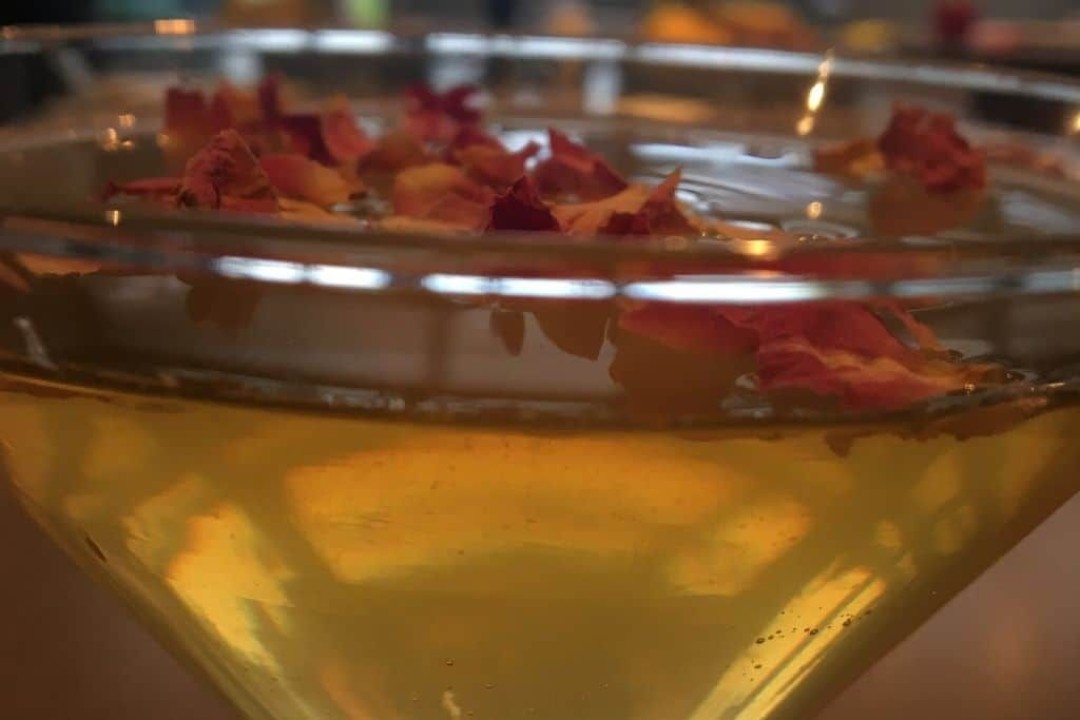
Delicate chamomile flavour with added extras, a mocktail to delight the senses!
November 2, 2024