I got sober – so why don’t I feel better?
July 5th, 2026 Guest Posts 6 comments

This guest post comes from Prekure-certified Mental Health Coach and longtime health journalist Paulette Crowley. You can see her Sobriety Chat here and find her online at Good Health Coach.
=======
When I stopped drinking 11 years ago, I had high expectations of feeling better. And why wouldn’t I? I’d spent years feeling crappy and exhausted from drinking and wanted more than anything to feel healthier and a bit more peaceful.
So when those things didn’t happen, I justifiably thought, “What the hell? Why do I still feel sick and tired?” I felt blindsided. My inner critic immediately took the wheel, telling me that I was failing at recovery, which I’d fought for years to achieve. I felt like I was losing my mind and questioned whether sobriety was worth it.
After a few months, my alcohol and drug counsellor pinpointed what was going on. I was experiencing what is known as Post-Acute Withdrawal Syndrome (PAWS). It’s a common neurological process that can happen when you stop drinking, and it appeared I had a great big dose of it.
What happens with PAWS
When you decide to kick booze to the curb for good, your body goes through two phases of healing. The first is acute withdrawal, which is the physical detox that happens in the first week or two after stopping alcohol. The second phase is PAWS, which is the much slower, behind-the-scenes process of your central nervous system trying to recalibrate. Put simply, your brain is rewiring itself from the hammering it received from alcohol.
When you drink heavily for a long time, your brain adapts to the constant presence of alcohol. Because alcohol acts like a massive weights system pushing down on your brain's natural calming brakes, your system compensates by turning down its own internal brakes and cranking its accelerator pedal up to maximum. When you suddenly take the alcohol away, the accelerator is still jammed to the floor.
This means your nervous system is left in a temporary state of electrical overdrive. At the same time, the prolonged stress of drinking dysregulates your internal alarm system, leaving your body pumping out cortisol and trapped in a physical fight or flight response. Studies show that withdrawal disrupts how your body handles tryptophan, the basic ingredient needed to make your joy and sleep chemicals. You are essentially running on an empty tank.
This internal rewiring does not happen in a neat, straight line. Instead, PAWS moves in waves and windows. You might enjoy a beautiful window of a few weeks where you feel like your old self, only to wake up the next day in a dark wave of irritability, panic, or a flat, numb feeling where nothing brings you joy. You might experience random muscle twitches, vivid dreams, or an inner restlessness where you just cannot sit still.
Many people mistake a PAWS wave for a sign that they cannot handle sobriety, or they assume their original anxiety has returned, using it as an excuse to pick up a drink. But these symptoms are often the physical sound of your brain healing.
So, what do we do when a PAWS wave hits?
First, we guard our nervous system. Cut back on extra stimulants like heavy caffeine, which only pour fuel on the excitatory fire. Swap high-intensity workouts for gentle walks or restorative movement that will not spike your cortisol. When panic rises, try a ‘physiological sigh’: take two quick inhales through your nose, followed by one long, slow sigh out through your mouth to mechanically slow your heart rate down. Other breathwork, meditation and yoga can also help.
Most importantly, keep a daily journal to track your progress. Over time, you will notice the windows of wellness get wider and the waves get shorter. Be patient with yourself. Your brain is not broken; it just needs time to heal itself.
Aside from this general guidance, it’s always a good idea to run how you’re feeling past a medical professional, to rule out other causes.
Continue reading
August - Meditation
A year of self-care. August looks at meditation, how to realistically add it to your days and the impact it has on wellbeing.
August 4, 2025 – 3 comments
Beyond the bottle: Paddy, Guyon, and Lotta on life after alcohol
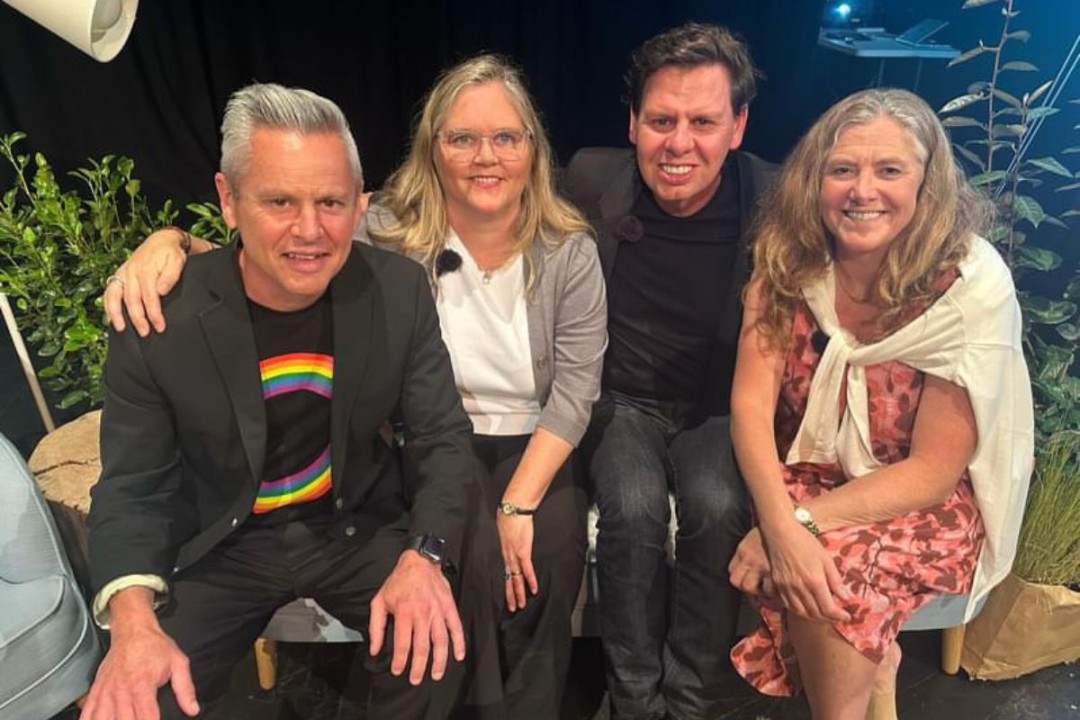
What’s it like to live without alcohol in a culture that celebrates it at every turn? Why, despite its known harms, is alcohol so deeply entrenched in our lives? Hear well-known New Zealanders discuss the nation’s most widely consumed and harmful drug: alcohol.
July 7, 2024 – 2 comments